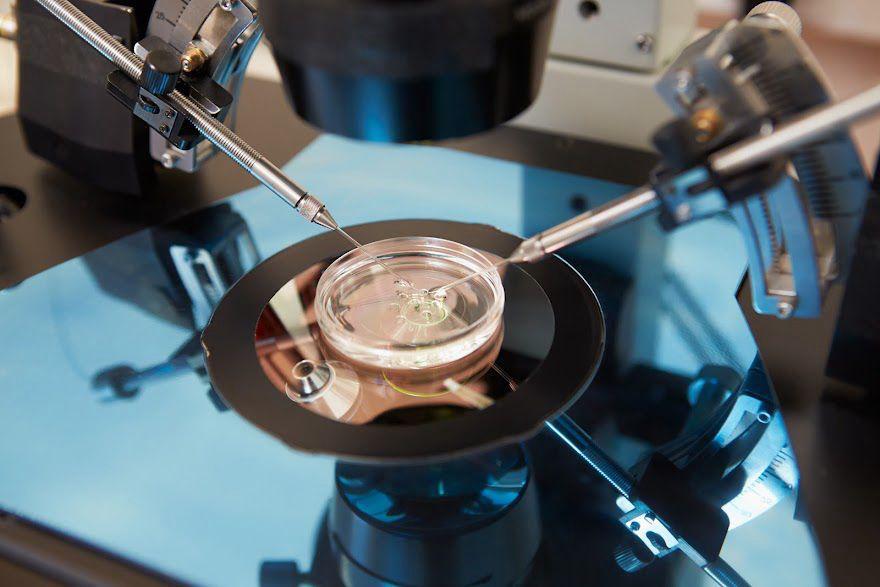
What is Intra-Cytoplasmic Sperm Injection (ICSI)?
ICSI is an advanced fertility treatment designed to overcome severe male infertility. It’s often recommended when conventional IVF fails or in cases involving conditions like:
- Cryptozoospermia
- Globozoospermia
- Azoospermia
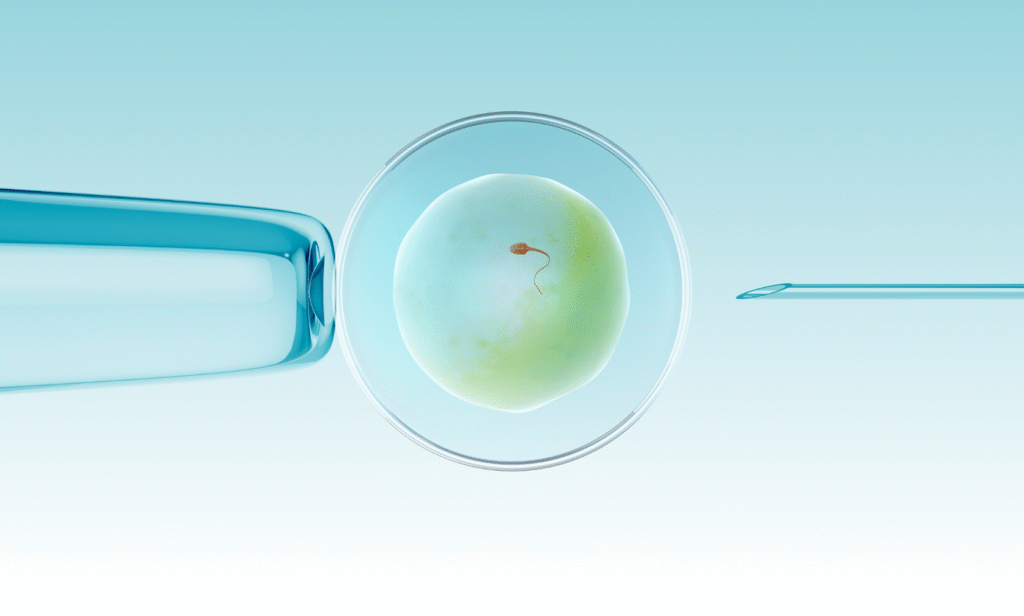
By injecting a single healthy sperm directly into an egg, ICSI significantly improves fertilization rates and helps create viable embryos.
When Should You Consider ICSI?
ICSI may be recommended if the male partner has:
- Low sperm count – Very few sperm in semen
- Poor sperm motility – Sperm don’t swim well or fast
- Abnormal sperm shape – Irregular morphology affecting fertilization
- Low sperm functionality – Sperm can’t penetrate the egg
- Low survival rate – Sperm fail to live long in the uterus
Tests Required Before ICSI
To maximize success, Panacea Fertility Center conducts:
- Semen Analysis – Evaluates count, motility, and shape
- Ovarian Reserve Testing – Assesses egg quantity and quality
ICSI Treatment Steps
- Ovarian Stimulation – Hormone injections help develop multiple mature eggs
- Egg Retrieval – Eggs are collected from the ovaries
- Sperm Injection – A single sperm is injected into each egg using a micro-needle
- Embryo Transfer – Healthy embryos are placed in the uterus
- Optional Sperm Retrieval – If no sperm is found in semen, it’s extracted directly from the testes or epididymis
Benefits of ICSI
- Increases fertilization chances, even with poor-quality sperm
- Enables fatherhood for men with very low sperm count or blockages
- Allows sperm retrieval in cases where ejaculation is not possible
- Provides success where IVF alone has previously failed
ICSI offers real hope to couples struggling with male infertility—bringing them one step closer to building their dream family.