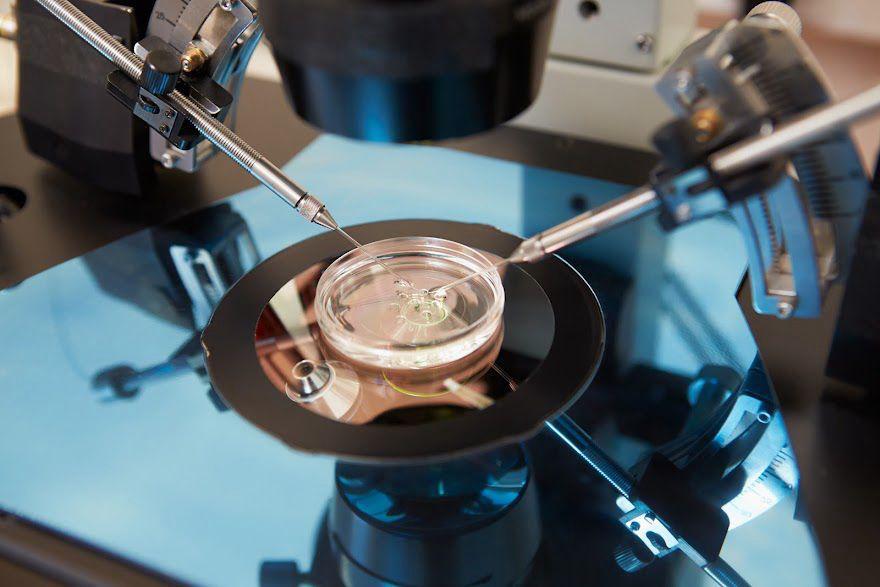
What is Male Fertility Preservation?
Male fertility preservation refers to the process of safeguarding a man’s ability to father biological children in the future. Through methods like sperm freezing and sperm donation, men can secure their reproductive potential—especially in cases where age, medical treatment, or lifestyle may compromise fertility later in life.
Advancements in reproductive medicine now offer men greater control and flexibility in family planning. These breakthroughs are especially valuable for individuals facing cancer treatment or other fertility-impacting conditions.
Sperm Freezing: A Vital Step for Cancer Patients
Cancer treatments such as chemotherapy and radiation can significantly reduce or eliminate sperm production. Sperm freezing—done before starting treatment—acts as a fertility safeguard. It allows cancer patients to preserve healthy sperm for future use in assisted reproductive procedures like IVF (In Vitro Fertilization) or ICSI (Intracytoplasmic Sperm Injection).
This proactive approach has empowered many men to achieve biological fatherhood, even after undergoing aggressive medical therapies.
Social Relevance of Sperm Freezing
Sperm freezing is becoming more socially and culturally accepted, particularly in urban and developed regions. Like cord blood banking, it reflects a growing awareness of future planning in healthcare. Many young men now choose to freeze sperm during their peak fertility years, motivated by both lifestyle choices and the possibility of preserving genetic integrity.
The rising success of IVF and ICSI has further popularized sperm storage as a valuable option—not just for medical reasons but also for personal, career, or relationship considerations.
The Sperm Freezing & Donation Process
Sperm Freezing
- Step 1: Semen collection through ejaculation or surgical extraction
- Step 2: Semen analysis to evaluate sperm count, motility, and quality
- Step 3: Cryopreservation using liquid nitrogen at –196°C
- Viability: Frozen sperm remains usable for 9–10 years or more
Sperm Donation
Sperm donation involves voluntarily providing sperm for use by individuals or couples facing infertility. It is a key option for:
- Single women wishing to conceive
- Couples where male partner has infertility
- LGBTQ+ families
Can Sperm Storage Improve Male Fertility?
Sperm storage itself doesn’t increase sperm quality, but it plays a vital role in fertility management. Prior to freezing, sperm is tested, and if issues like low motility or count are detected, medical treatments can be advised to improve outcomes.
Stored sperm can then be used in procedures like IVF/ICSI, increasing the chances of successful conception even in challenging fertility cases.
Frozen vs Fresh Sperm: Which Works Better?
Studies indicate that frozen sperm has a 50–60% success rate in assisted reproduction—comparable or slightly better than fresh sperm. This is largely due to the selective process: only high-quality sperm is chosen for freezing.
Professionally managed freezing and thawing protocols ensure that frozen sperm maintains its viability, making it a dependable option in modern fertility treatments.

Are aging and want to preserve fertility

Are noticing a decline in sperm quality

Are facing medical treatments like chemotherapy or surgery that could affect fertility