Female Fertility Preservation: Procedures and Benefits
Thanks to advances in reproductive medicine, women today have the opportunity to preserve their fertility and pursue biological motherhood on their own timeline. Female fertility preservation involves storing eggs, embryos, or ovarian tissue in a controlled environment for future use—empowering women with greater flexibility and peace of mind.
This process is especially beneficial for women facing medical treatments like chemotherapy or radiotherapy, which can cause permanent damage to the ovaries. By collecting and preserving reproductive cells or tissue before treatment begins, women maintain the possibility of future pregnancy—often through IVF or natural conception, depending on the method used.
Key Fertility Preservation Methods
Egg Freezing (Oocyte Cryopreservation)
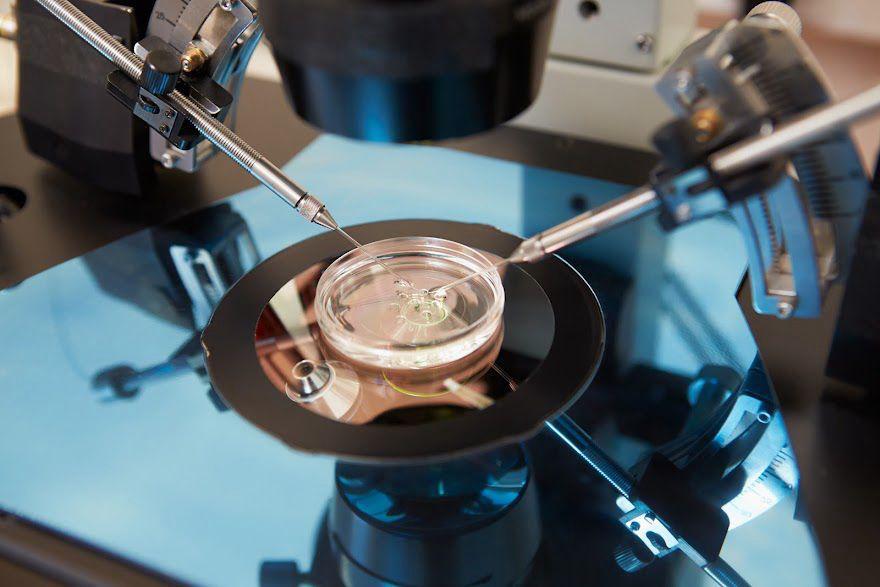
This technique involves stimulating the ovaries over 10 to 12 days using fertility hormones to produce multiple mature eggs. Once retrieved, the eggs are frozen in liquid nitrogen at ultra-low temperatures and stored for future use. This allows women to pursue pregnancy at a later stage through IVF.
Embryo Freezing
In this method, the woman’s eggs are fertilized with sperm to create embryos, which are then frozen for future implantation. Embryo freezing is a well-established and highly effective preservation option, often chosen by couples planning for delayed parenthood.
Ovarian Tissue Freezing
A more advanced and experimental approach, this procedure involves removing and freezing small sections of ovarian tissue. When the woman is ready, the tissue is thawed and reimplanted into her pelvic area, potentially restoring natural hormone production and ovulation—making natural pregnancy possible without IVF.
Note: Ovarian tissue preservation is still considered experimental and is typically reserved for specific medical scenarios.
How Storage Works
Both eggs and embryos are stored in cryogenic conditions, effectively putting them in a state of suspended animation. The freezing process is tightly regulated with strict protocols to ensure biological integrity. Once frozen, these cells remain viable for years, ready to be used when the time is right.
Importantly, all preserved eggs and embryos are securely stored for the individual’s or couple’s exclusive use and are not used for testing or research.
Why Fertility Preservation Matters
Cancer treatments and certain surgeries can lead to:
- Temporary or permanent infertility
- Premature ovarian failure
- Genetic damage to eggs due to radiation or chemotherapy
By opting for fertility preservation prior to such treatments, women can secure their reproductive future—offering hope for biological children once they’re ready.
Pregnancy After Fertility Preservation
When a woman is ready to conceive:
- Frozen eggs are thawed and fertilized via IVF, and the resulting embryos are implanted into the uterus.
- Frozen embryos can be directly transferred into the uterus.
- Reimplanted ovarian tissue may restore natural ovulation, allowing for pregnancy through natural means or assisted methods like IUI.
Once implantation is successful, the pregnancy proceeds as it would naturally, with regular prenatal care and monitoring.

Are undergoing chemotherapy or radiation

Require surgery that could impact fertility

Have a genetic condition that may compromise reproductive health