Multiple IUI Failures – Causes & What to Do Next
Becoming a parent is a cherished dream for many, but when repeated attempts at conception fall short, the emotional toll can be overwhelming. One of the first fertility treatments often recommended is Intrauterine Insemination (IUI)—a simple, non-invasive option that increases the chances of pregnancy by placing sperm directly into the uterus.
However, when 3–4 cycles of IUI fail, it’s important to take a closer look at what’s going wrong—and what the next steps should be.
What is IUI and Why It’s Used
In a natural conception process, sperm travels through the vagina and cervix before reaching the uterus and fallopian tubes. With IUI, washed and concentrated sperm is placed directly into the uterus, bypassing common obstacles and improving the likelihood of fertilization.
Success Rate:
IUI success rates average around 5–10% per cycle, depending on factors like age, underlying fertility issues, and timing of the procedure.
Common Causes of Repeated IUI Failure
- Poor Egg Quality – Often associated with age or ovarian dysfunction.
- Advanced Maternal Age – Lower ovarian reserve and reduced embryo implantation chances.
- Low Sperm Count or Motility – Even with IUI, poor semen quality may hinder fertilization.
- Thin or Unhealthy Endometrial Lining – Impacts implantation.
- Progesterone Deficiency – Affects uterine support for a growing embryo.
- Incorrect Timing – IUI must be timed precisely with ovulation for best outcomes.
What to Do After Repeated IUI Failures
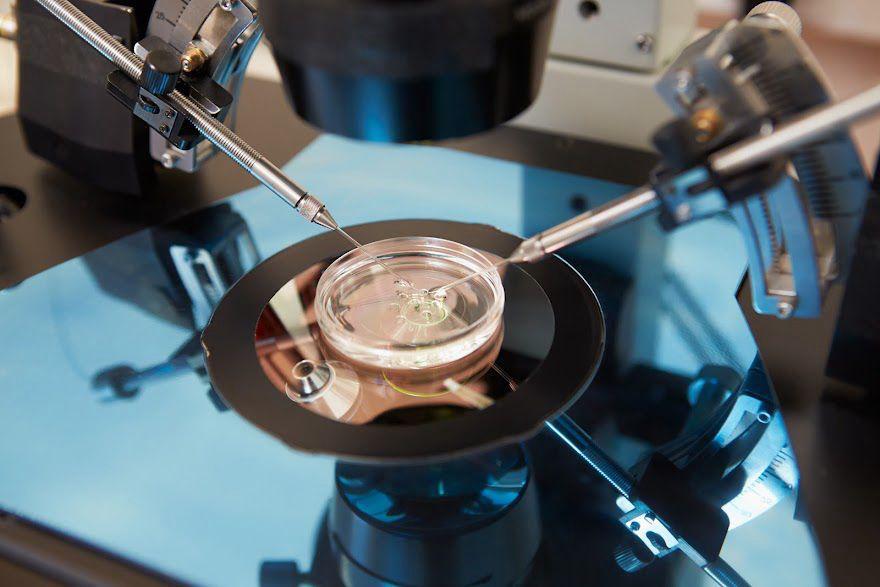
If you’ve undergone multiple unsuccessful IUI cycles, it may be time to explore more advanced reproductive treatments. The good news is that alternatives like IVF (In Vitro Fertilization) or ICSI (Intracytoplasmic Sperm Injection) offer significantly higher success rates.
Why IVF/ICSI Might Be the Right Step
- Higher Success Rates – IVF/ICSI offers up to 60–70% success in well-selected cases.
- Better Control – Allows embryo screening, fertilization confirmation, and optimized timing.
- Tailored Approaches – Techniques can be customized based on your fertility profile.