Oligospermia: Causes, Symptoms & Treatment
Oligospermia, or low sperm count, refers to a reduced number of sperm in the semen. Often accompanied by conditions like low sperm motility (Asthenospermia) and abnormal sperm shape (Teratospermia), it is a major contributor to male infertility.
In India, Oligospermia affects approximately 15% of the male population, making it one of the most common causes of infertility, contributing to 40–50% of male factor cases.
Understanding Sperm Count
According to the World Health Organization (WHO), a normal sperm count is 15 million sperm per milliliter (million/ml) or higher. A count below this threshold is diagnosed as Oligospermia.
Interestingly, the condition rarely shows visible symptoms and is often only discovered during fertility testing.
Common Causes of Oligospermia
Multiple factors can lead to low sperm count, including:
- Lifestyle & Environmental Factors
- Smoking, alcohol, and tobacco use
- Obesity and poor diet
- Stress and lack of physical activity
- Exposure to heat or radiation
- Medical Conditions
- Varicocele (enlarged testicular veins)
- Hydrocele
- Undescended testes
- Retrograde ejaculation
- Sexually transmitted infections (STIs)
- Viral infections (e.g., Mumps)
- Diabetes Mellitus
- Hormonal imbalances or prior chemotherapy/radiation
Treatment Options for Low Sperm Count
Treatment depends on the severity of sperm abnormalities:
- Mild Cases: Can be treated with hormonal therapy, multivitamins, antioxidants, and lifestyle modifications.
- Surgical Correction: Conditions like Varicocele may require surgery.
- Assisted Reproductive Techniques (ART):
- IUI (Intrauterine Insemination) for mild cases
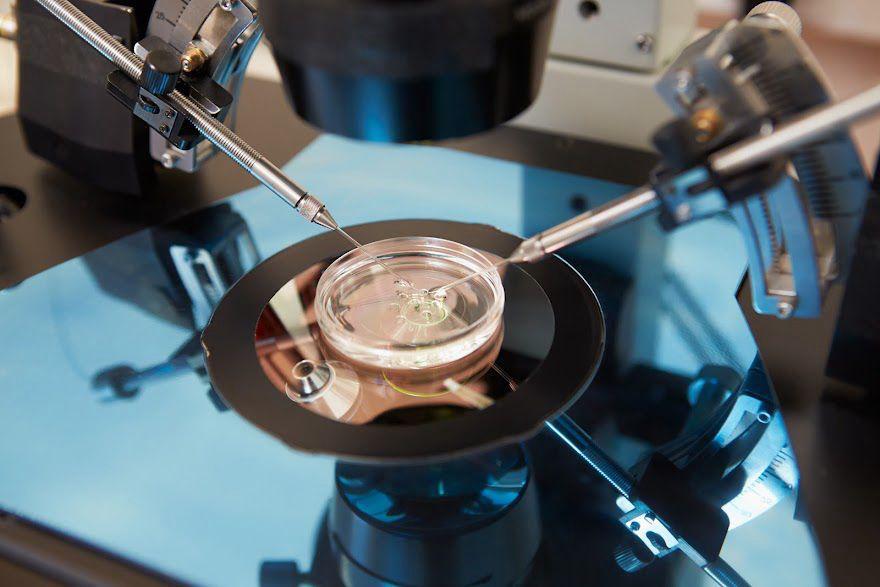
- ICSI (Intracytoplasmic Sperm Injection) for more severe cases
- IMSI & PICSI for selecting high-quality sperm during ICSI
Spermatogenesis (the sperm production cycle) takes around 72 days, so noticeable improvements in semen quality typically require 2–3 months of treatment.
If no improvement is observed, ICSI is often the most effective next step, with a success rate of 50–60%—assuming other fertility factors are normal.
Lifestyle Recommendations
Enhancing fertility naturally includes:
- Regular exercise & weight management
- A balanced, nutritious diet
- Avoiding alcohol, smoking, gutka, and narcotics
- Wearing loose, breathable underwear
- Managing chronic health conditions like diabetes

Reduced Libido
One of the earliest signs of sperm-related issues.

Erectile Dysfunction
Often linked with underlying hormonal imbalances.

Lump or Discomfort in Testicles
It could indicate a physical condition like a Varicocele or a Hydrocele.