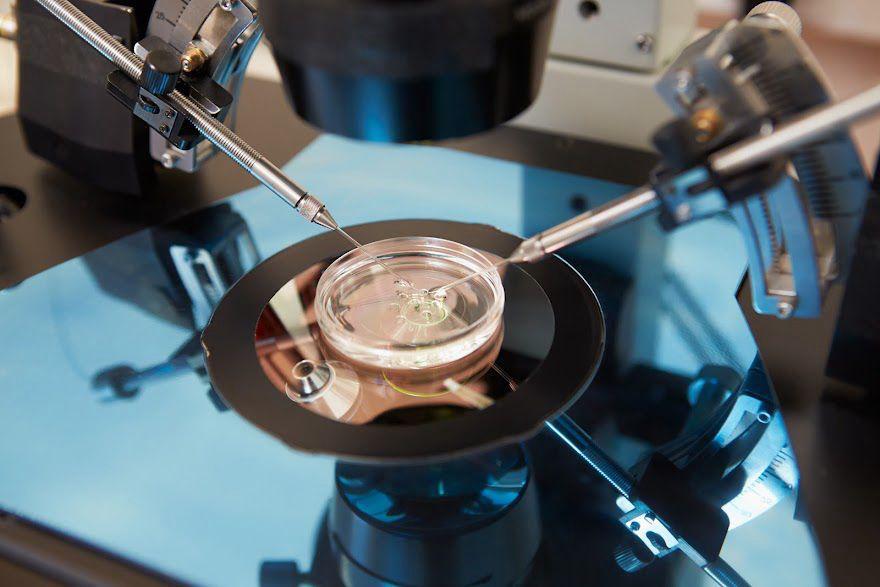
Male Fertility Testing:
Understanding Advanced Diagnostics
Male fertility issues can stem from a wide range of physical, hormonal, or genetic factors. While a standard semen analysis offers basic insight into sperm health, advanced fertility tests are often required to uncover deeper issues—especially in cases of unexplained infertility or repeated IVF failure. Below is a comprehensive guide to the most essential male fertility diagnostic tools.
1. DNA Fragmentation Index (DFI)
The DNA Fragmentation Index measures the percentage of sperm with damaged or fragmented DNA—a crucial factor in determining male fertility. Even if sperm count and motility appear normal, high DNA fragmentation can negatively impact fertilization, embryo development, and the likelihood of a successful pregnancy.
When DFI is Recommended:
- Unexplained male infertility
Despite normal semen parameters - Recurrent miscarriages
With no female factor - Poor embryo quality
In IVF cycles - Repeated IVF or ICSI failures
- Men with varicocele or testicular conditions
- Lifestyle risks
Smoking, stress, toxins
2. Semen Analysis
A Semen Analysis evaluates the quantity and quality of sperm, including:
- Sperm count
Concentration - Motility
Movement ability - Morphology
Shape and structure - Other Factors
Volume, pH, WBC count
When Semen Analysis is Recommended:
- General male fertility
Assessment - Diagnosing conditions
Oligospermia, asthenospermia, teratospermia - Post-vasectomy confirmation
- Pre-IVF or ICSI planning
- Monitoring improvements
After treatment or surgery
3. Sperm Function Test
This advanced test evaluates how well sperm can:
- Motility function
Ability to swim - Fertilization
Penetrate and fertilize egg - Survivability
In cervical mucus & female tract
It also screens for DNA integrity, important in recurrent pregnancy loss.
When Recommended:
- Unexplained infertility
- Normal semen but failed fertilization
- Choosing ART method
IUI, IVF, ICSI - Assessing sperm’s function
Inside female body
4. Semen Culture Test
This test identifies bacterial/fungal infections in semen that may harm sperm or cause reproductive tract inflammation.
When Semen Culture is Recommended:
- Suspected infections
Prostatitis, urethritis - Unexplained infertility
- Diagnosing STIs
Gonorrhea, chlamydia - Symptoms
Pain, swelling, discharge - Antibiotic prescription
Based on pathogens
5. Testicular Biopsy
A Testicular Biopsy involves taking a small tissue sample to evaluate sperm production, often used in azoospermia.
When Biopsy is Recommended:
- Differentiate azoospermia
Obstructive vs non-obstructive - Retrieve sperm
For IVF/ICSI - Investigate testicular issues
Failure, tumors, infections - Inconclusive results
From other tests
6. Post Ejaculation Urinalysis (PEU)
This test detects sperm in urine post-ejaculation, used to diagnose retrograde ejaculation.
When PEU is Recommended:
- Suspected retrograde ejaculation
- No sperm
In semen analysis - Differentiation
Blockage vs retrograde - Sperm retrieval
From urine for IVF/ICSI