Trigas Incubators
What is an IVF Incubator?
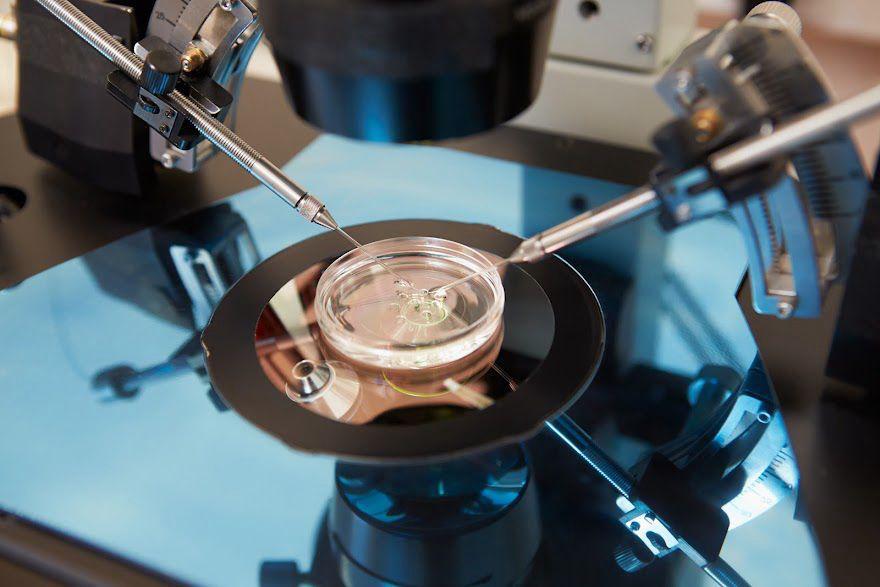
An IVF incubator is essential equipment in an IVF laboratory, designed to replicate the ideal conditions of the human body for embryo development. It carefully regulates temperature, humidity, and gas levels—including oxygen (O₂), carbon dioxide (CO₂), and nitrogen (N₂)—to support healthy embryo growth.
What are Trigas Incubators?
Traditional IVF incubators were large, multi-shelf units—comparable in size to a washing machine. These older models often housed embryos from multiple patients at once. Each time an embryologist opened the door to access embryos, the internal environment was disrupted, causing temperature and gas levels to fluctuate.
These fluctuations exposed the embryos to suboptimal conditions, even if only temporarily, which could lower the chances of successful fertilization and pregnancy. The more frequently the door was opened, the greater the risk to embryo quality and implantation success.
Older models are typically referred to as “single gas” or CO₂ incubators, as they only maintained carbon dioxide levels. In contrast, Trigas incubators—also called “low-oxygen incubators”—maintain precise levels of three essential gases: CO₂, O₂, and N₂. These incubators offer a more stable and natural embryonic environment, improving embryo quality and significantly increasing the success rates of IVF treatment.

Recommended for patients with tubal blockage

Suitable for individuals diagnosed with Endometriosis

Ideal for women with Polycystic Ovary Syndrome (PCOS)