Tubal Blockage: Symptoms and Treatment
Blocked fallopian tubes are a leading cause of female infertility. These tubes connect the ovaries to the uterus and are essential for picking up the egg during ovulation and enabling fertilization and embryo transport. When blocked, this natural process is disrupted, significantly reducing the chances of natural conception.
Symptoms of Blocked Fallopian Tubes
Tubal blockage is responsible for around 25–35% of female infertility cases. While some women may experience no obvious symptoms, common indicators include:
- Persistent pain in the lower abdomen
- Unusual or frequent vaginal discharge
- Mild, recurring fever
Causes of Fallopian Tube Blockage
Several underlying conditions can cause the fallopian tubes to become blocked or damaged:
- Pelvic Inflammatory Disease (PID)
- Previous ectopic pregnancies
- Past abdominal or pelvic surgeries
- Tuberculosis affecting reproductive organs
- Uterine fibroids near the fallopian tubes
- Sexually Transmitted Infections (STIs)
- Endometriosis
Diagnosis and Treatment Options
Diagnosis typically involves procedures such as:
- Sonosalpingography (SSG)
- Hysterosalpingography (HSG)
- Hysterolaparoscopy
Treatment depends on the location and extent of the blockage, the presence of other complications (like hydrosalpinx), patient age, and overall reproductive health.
Laparoscopic tubal recanalization may be considered for younger women without additional fertility issues, though there’s a risk of the tubes becoming blocked again.
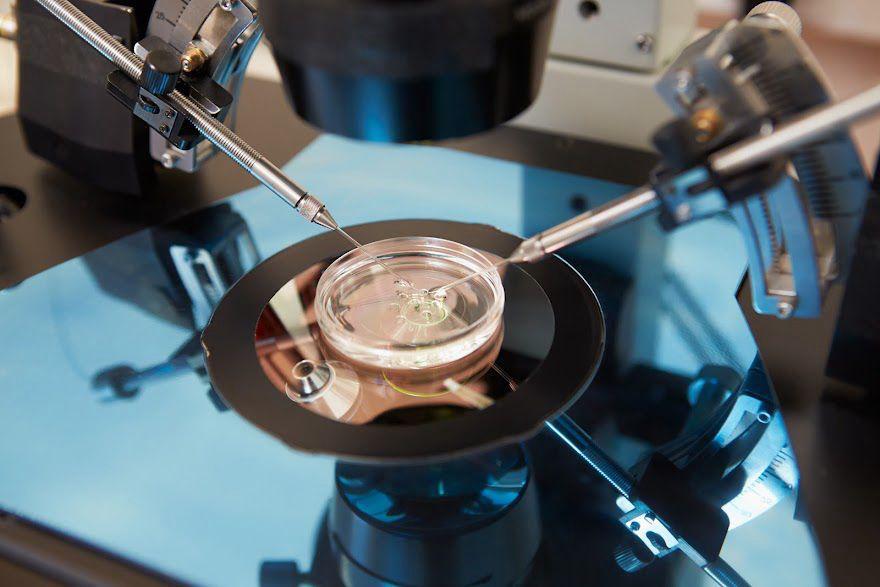
In many cases, IVF (In Vitro Fertilization) or ICSI (Intracytoplasmic Sperm Injection) offers the best chance of conception.
Prevention and Success Rate
Maintaining good genital hygiene, practicing safe sex, and promptly treating infections can help prevent fallopian tube blockages.
With appropriate treatment and lifestyle care, approximately 60% of women with tubal blockages have achieved pregnancy through IVF.

Inability to conceive naturally

Painful menstruation

Mild, one-sided abdominal pain